
South Africa Powers Forward: Eskom and South32 Forge Renewable Future for Giant Hillside Aluminium Smelter
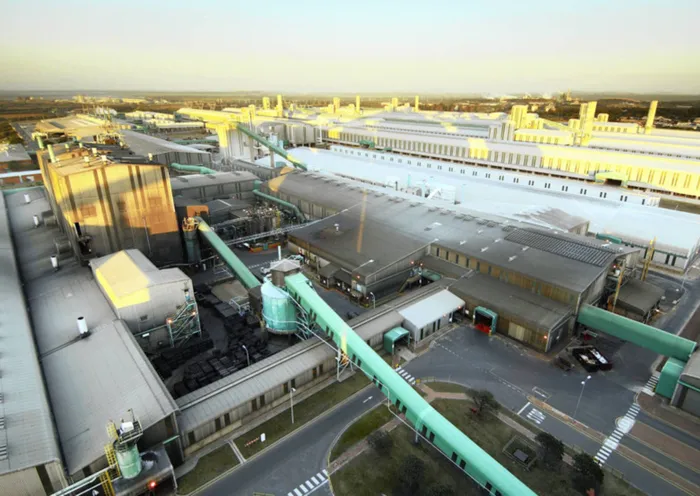
In a decisive step toward strengthening industrial resilience and accelerating the clean energy transition, Eskom and South32 have announced advanced discussions on a groundbreaking long-term electricity solution for the iconic Hillside Aluminium Smelter, set to harness competitively priced renewable energy by 2031.
The Hillside plant, the largest aluminium smelter in the southern hemisphere with an annual capacity of 720,000 metric tons, has long stood as a cornerstone of South Africa’s industrial economy and a major employer in the region. Currently powered under a 10-year discounted agreement with Eskom expiring in 2031, the smelter consumes roughly 5% of the national utility’s electricity sales.
A joint working group has been established to explore innovative mechanisms for integrating renewable energy into the national grid, backed by affordable firming capacity, all within the existing regulatory framework. The initiative aims to deliver a viable, low-carbon energy solution that sustains the smelter’s global competitiveness while advancing South Africa’s broader decarbonisation goals.
South32 Chief Operating Officer Noel Pillay welcomed the progress: “We have made a solid start. It is important we continue this momentum, working towards a viable, low-carbon energy solution for Hillside from 2031.”
Eskom Group CEO Dan Marokane echoed this optimism, noting that the collaboration will “develop a long-term energy solution that supports industrial competitiveness while advancing South Africa’s transition to a lower-carbon electricity system.” He highlighted the potential to strengthen the resilience and sustainability of the national grid for all South Africans.
This proactive partnership comes against the backdrop of regional challenges, including the recent mothballing of the Mozal smelter in Mozambique due to energy cost pressures, underscoring the strategic importance of securing Hillside’s future.
Once finalized — subject to all regulatory approvals — the deal promises not only to safeguard thousands of jobs and regional economic stability but also to accelerate renewable integration, positioning South Africa as a leader in sustainable heavy industry. As the countdown to 2031 begins, this collaboration signals a powerful blend of industrial might and green ambition.

