
Aliko Dangote Unveils Ambitious 20,000 MW Power Generation Push, Signaling Bold Entry into Nigeria’s Electricity Sector
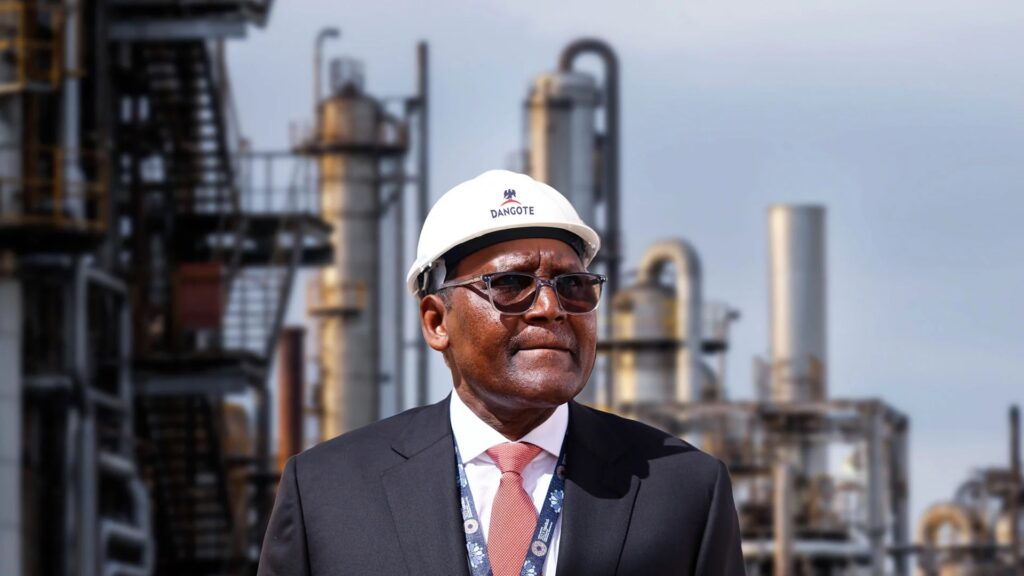
Africa’s richest man, Aliko Dangote, has declared his conglomerate’s decisive entry into large-scale power generation, announcing plans for a staggering 20,000 megawatts (MW) of capacity. The revelation came during a high-profile sit-down interview at the International Finance Corporation (IFC) headquarters in Washington, D.C., underscoring the Dangote Group’s pivot from its landmark refinery success into broader infrastructure critical for Nigeria’s industrialization.
“We are now going into power; 20,000 megawatts,” Dangote stated emphatically, framing the initiative as part of a post-refinery expansion fueled by strong cash flows from the $20+ billion Dangote Petroleum Refinery in Lekki, Lagos. He did not detail specific timelines, financing structures, or the energy mix (likely including gas, possibly renewables or other sources), but emphasized the group’s readiness to deploy resources now that the refinery is operating stably.
Context of Nigeria’s Power Crisis
The announcement lands against a backdrop of chronic electricity shortages that have long crippled Nigerian businesses and households. The country’s installed generation capacity stands at approximately 13,000–13,625 MW, yet actual available output often hovers between 4,000–5,000 MW due to low plant availability (around 32–36% in recent months), gas supply issues, transmission constraints, and maintenance challenges. National demand is estimated at 30,000 MW or more for meaningful economic growth.
A single private player adding 20,000 MW would fundamentally transform the sector, potentially more than doubling reliable supply and addressing a deficit that forces industries like Dangote’s own to rely heavily on captive power (the group already self-generates over 1,500 MW internally).
Broader Vision and Momentum
This power ambition aligns with Dangote’s wider industrialization drive. In earlier 2026 statements, he outlined expansions into steel production, additional port infrastructure, and fertilizer (targeting world leadership with up to 12 million tonnes of urea capacity plus mining inputs). The refinery itself—now tested at 661,000 barrels per day, exceeding its 650,000 bpd nameplate—has begun reshaping Nigeria’s fuel imports, supplying a significant portion of domestic petrol needs.
Dangote also reiterated plans for a pan-African listing of the refinery, promising African investors up to $20–25 billion in dividends from a potential 25% stake sale, with payments optionally in USD to mitigate currency risks. He highlighted reinvestment discipline: “I’ve never taken dividend, not one dime… Everything has been reinvested.”
Reactions and Implications
The move has sparked excitement across social media and business circles, with many viewing Dangote as stepping in where successive governments have struggled. Supporters hail it as a game-changer for “Africa’s Renaissance,” potentially unlocking manufacturing, jobs, and growth. Critics, however, raise questions about market dominance, regulatory oversight, and the need for complementary public investments in transmission and distribution.
Dangote has long advocated for private-sector-led solutions, criticizing Nigeria’s low output and calling for emergency power summits while stressing that reliable electricity is non-negotiable for industrialization. His track record—from dominating cement production across Africa to executing the world’s largest single-train refinery—lends credibility to the vision, though execution challenges in Nigeria’s power sector (financing, regulation, grid integration) remain significant.
As details emerge on partnerships (potentially with IFC and other multilaterals), timelines, and technology, Dangote’s 20,000 MW pledge stands as one of the most audacious private-sector bets on Africa’s energy future—offering a beacon of self-reliance amid persistent infrastructure gaps.
The full interview with IFC Managing Director Makhtar Diop, broadcast by CNBC Africa, provides deeper insights into his post-refinery strategy.

