
Nigeria Targets Zero Gas Flaring by 2030, Accelerates Energy Transition Amid Sector Transformation
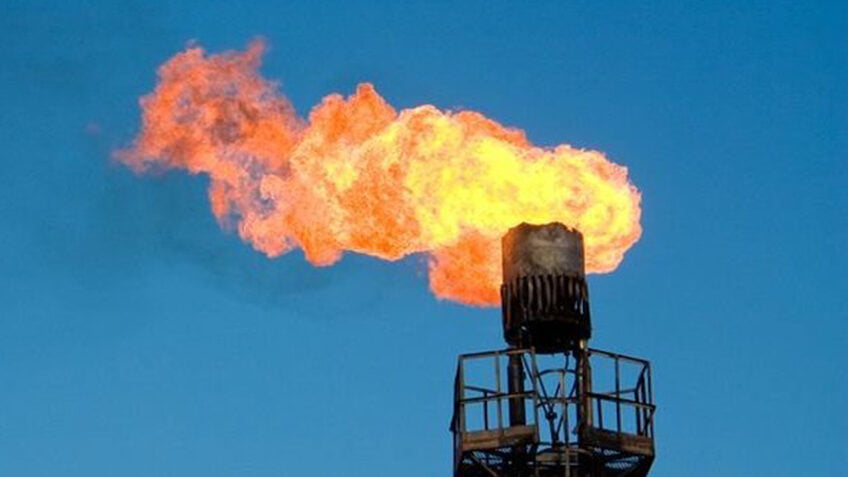
Nigeria is intensifying its push toward a sustainable energy future, with ambitious targets to eliminate routine gas flaring by 2030 and achieve net-zero emissions by 2060, even as its oil and gas sector experiences a profound shift driven by surging local participation and regulatory reforms.
Oritsemeyiwa Eyesan, Chief Executive Officer of the Nigerian Upstream Petroleum Regulatory Commission (NUPRC), painted an optimistic picture of the industry’s evolution while addressing stakeholders at the 2026 Offshore Technology Conference (OTC) in Houston. She highlighted a remarkable rise in indigenous involvement, noting that nearly 100 Nigerian companies are now actively operating in the sector.
“That is phenomenal,” Eyesan declared, underscoring how growing local content is reshaping the landscape from one historically dominated by international majors to a more inclusive, domestically driven ecosystem.
Flaring Reduction and Commercialization Take Center Stage
Nigeria has made notable progress in curbing gas flaring, which has already dropped below 10% in key metrics. Rather than relying solely on penalties, the country is aggressively commercializing flared gas through initiatives like the Nigerian Gas Flare Commercialisation Programme (NGFCP). Permits have been issued to multiple firms, unlocking potential for up to three gigawatts of electricity generation while converting environmental liabilities into economic assets.
“We are not just penalising flaring, we are commercialising it,” Eyesan emphasized. These efforts align with broader decarbonization drives, including advanced methane emissions tracking and host community development trusts under the Petroleum Industry Act (PIA) 2021.
Investor Confidence and Bid Round Momentum
Eyesan described the PIA as a “game changer” that has enhanced regulatory clarity and boosted investor confidence. She pointed to the successful 2025 licensing bid round, which attracted nearly 300 applicants for about 50 assets, signaling strong interest despite global headwinds.
“The opportunities are significant, and the story will change rapidly,” she added. The government, she noted, remains responsive—continuously evaluating and adjusting policies to maintain competitiveness and attract capital.
Downstream reforms, including the removal of fuel subsidies, are further accelerating the shift toward cleaner fuels like compressed natural gas (CNG), supporting energy security and reducing import dependence.
A New Era of Local Empowerment
The transformation reflects Nigeria’s commitment to leveraging its resources for shared prosperity. Increased participation by indigenous operators is not only boosting production potential but also fostering skills development, job creation, and community benefits. Complementary projects under NUPRC oversight promise to unlock substantial reserves while advancing environmental goals.
Chairman of the Petroleum Technology Association of Nigeria (PETAN), Wole Ogunsanya, reinforced the message of resilience, stating that Nigeria’s strong presence at the OTC underscores its dedication to higher production, refining capacity, and long-term energy security.
As Africa’s largest oil producer charts this course, the NUPRC under Eyesan’s leadership is positioning the upstream sector as a cornerstone of both economic growth and climate responsibility. With sustained enforcement, innovation, and collaboration, Nigeria’s zero-flaring ambition could mark a defining chapter in its energy transition journey.

