
Ethiopia Emerges as Africa’s Renewable Energy Powerhouse: Capacity Doubles to 9,752 MW
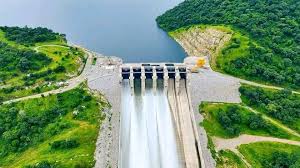
In a landmark achievement underscoring its green energy ambitions, Ethiopia has more than doubled its installed electricity generation capacity over the past seven years, surging from 4,462 MW to 9,752 MW, according to the Ethiopian Electric Power (EEP).
The East African nation now stands as one of the continent’s leading renewable energy hubs, with nearly 100% of its electricity derived from clean sources — primarily hydropower, supplemented by wind, solar, and geothermal. Hydropower continues to dominate the mix, while wind accounts for approximately 4-5% and geothermal less than 1%, reflecting a resilient and sustainable foundation for the country’s energy future.
This remarkable expansion is driven by flagship projects, including the progressive integration of the Grand Ethiopian Renaissance Dam (GERD) — Africa’s largest hydroelectric facility — alongside wind farms like Aysha II and other renewable initiatives. The growth not only bolsters domestic supply but also enhances Ethiopia’s potential as a regional power exporter through interconnections in the Eastern Africa Power Pool.
Beyond raw capacity, the milestone aligns with broader progress in electrification. Electricity access has risen notably, supporting industrial growth, rural development, and economic diversification in one of Africa’s fastest-growing economies. Experts highlight Ethiopia’s vast untapped potential — estimated at over 60,000 MW across hydro, wind, solar, and geothermal — positioning the country for even greater leaps in the coming decade.
EEP officials describe the achievement as “a major leap that reflects Ethiopia’s fast-progressing energy development,” emphasizing a strategic shift toward a more diversified and climate-resilient system. As Ethiopia scales up non-hydro renewables, it aims to mitigate seasonal variability while meeting surging domestic and regional demand.
This surge cements Ethiopia’s role as a beacon of renewable energy leadership in Africa, blending ambitious infrastructure with sustainable vision — a model of how natural resources can fuel transformative development.

