
Nigeria Stands Firm: No Return to Fuel Subsidies Amid Soaring Pump Prices
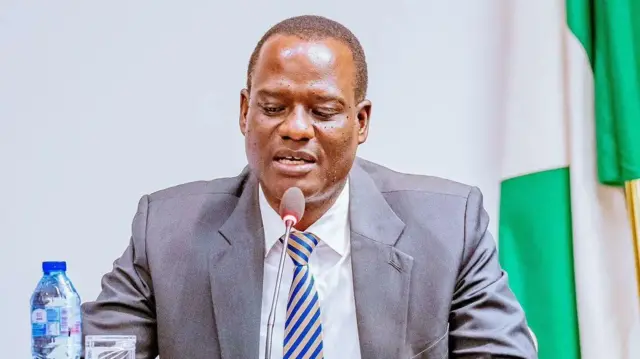
The Federal Government of Nigeria has remained resolute and declared her commitment to market-driven reforms, Finance Minister and Coordinating Minister of the Economy, Taiwo Oyedele, has firmly ruled out any reintroduction of fuel subsidies or imposition of price controls, even as pump prices have surged by approximately 50% due to escalating global tensions.
Speaking to journalists in Paris on May 5, 2026, after President Bola Tinubu’s engagements with French businessmen, Oyedele emphasized that subsidies create dangerous distortions in the economy. “We will not bring back subsidy because it creates destruction for the economy,” he stated categorically. He added that the government will not introduce price controls, affirming a deep belief in the efficiency of the market while promising responsible regulation to prevent exploitation by suppliers and traders.
The remarks come against the backdrop of significant global oil market disruptions linked to the escalating Middle East crisis involving the United States, Iran, and Israel. These tensions have driven international crude prices higher, pushing Nigerian petrol prices sharply upward — with reports indicating increases of around 50% in recent weeks, pushing pump prices well above ₦1,300 per litre in many areas.
Since President Tinubu’s historic declaration on May 29, 2023, that “the fuel subsidy is gone,” the government has maintained an unwavering stance against reversal, viewing the policy as a critical step toward fiscal sustainability, efficiency, and long-term economic health. Oyedele framed the current global challenges not merely as a crisis but as an opportunity for Nigeria — Africa’s largest oil producer — to attract fresh investments in energy as the world seeks diversified sources.
The Minister noted that Nigeria continues to benefit from elevated oil revenues, with estimates suggesting a windfall running into trillions of naira, even as citizens grapple with higher living costs. The administration insists that savings from subsidy removal are being channeled into critical infrastructure and social investments, while targeted interventions — such as efforts to reduce aviation fuel costs — aim to ease specific sectoral pressures.
This firm position reflects a broader reform agenda aimed at building investor confidence through policy consistency and avoiding reversals that could undermine hard-won macroeconomic gains. As Nigerians confront the immediate pains of elevated fuel costs, the government’s message remains clear: the era of unsustainable subsidies is over, paving the way for a more resilient, market-oriented economy.
The coming months will test this resolve, as public discourse intensifies around balancing reform with citizen welfare in these turbulent times.

