
Nigeria, Morocco Advance Landmark African Atlantic Gas Pipeline in High-Level Talks
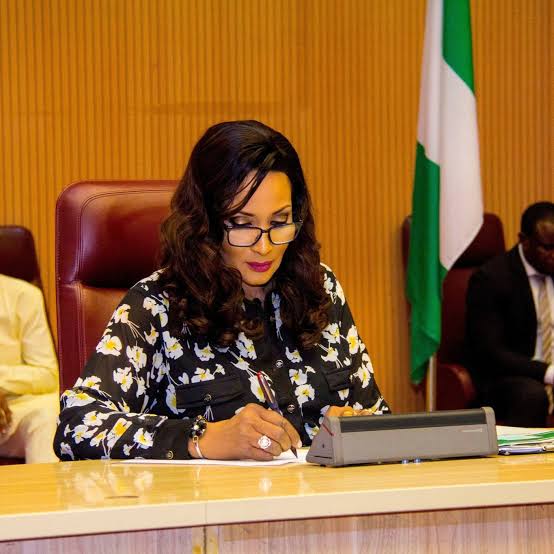
Nigeria’s Minister of Foreign Affairs, Ambassador Bianca Odumegwu-Ojukwu, held a strategic telephone conversation with her Moroccan counterpart, Minister Nasser Bourita, to accelerate the ambitious Nigeria-Morocco Gas Pipeline project, a flagship initiative designed to transform regional energy security and economic integration across West Africa.
The discussion, which took place on Friday, May 8, 2026, focused on strengthening bilateral ties in energy, agriculture, food security, and trade. Both ministers described the pipeline — also known as the African Atlantic Gas Pipeline (AAGP) — as a “game-changer” for the region.
The $25 billion infrastructure project, first conceptualized in 2016, envisages a 6,900-kilometre hybrid offshore-onshore pipeline stretching from Nigeria across several West African countries to Morocco. With a planned capacity of up to 30 billion cubic metres of gas annually, it aims to supply Moroccan domestic needs while enabling exports to Europe, boosting electricity generation, industrial growth, and mining activities along the Atlantic coast.
Technical feasibility studies and Front-End Engineering Design (FEED) have been completed by Nigeria’s National Petroleum Company Limited (NNPC) and Morocco’s National Office of Hydrocarbons and Mines (ONHYM). An intergovernmental agreement (IGA) involving participating West African nations is expected to be signed later in 2026, paving the way for a joint venture and final investment decision.
Minister Bourita congratulated Ambassador Odumegwu-Ojukwu on her recent appointment and extended an official invitation for her to visit Morocco at a mutually convenient time. The Nigerian minister expressed appreciation and reaffirmed Nigeria’s commitment to the project, which aligns with President Bola Tinubu’s vision for enhanced regional cooperation and economic development.
This latest engagement underscores the growing momentum behind the pipeline as it gains international interest, including from Washington, and moves closer to implementation. Once operational, the project is expected to foster energy access, create thousands of jobs, and promote sustainable economic integration across the participating countries.
The Nigeria-Morocco partnership reflects a broader commitment by both nations to leverage their strategic positions for mutual prosperity and continental advancement.

