
Nigeria Edges Closer to OPEC Quota with 1.49 Million Barrels Daily Output, Boosting NNPCL to ₦276 Billion Profit
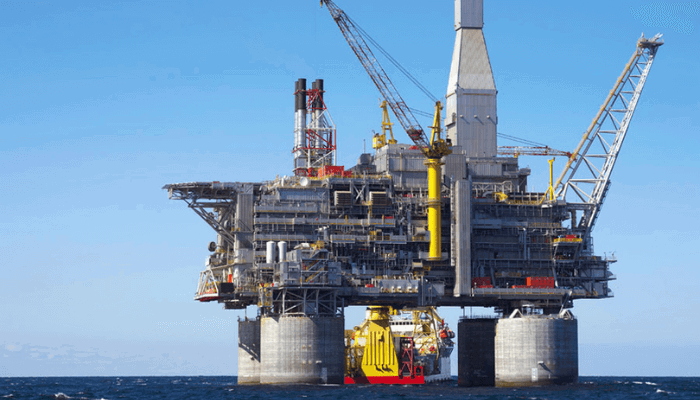
In a notable stride for Africa’s largest oil producer, Nigeria achieved 99.2% compliance with its OPEC crude oil production quota in April 2026, averaging 1.49 million barrels per day (bpd). According to data from the Nigerian Upstream Petroleum Regulatory Commission (NUPRC), the country produced an average of 1,488,540 barrels of crude oil daily, narrowly missing the 1.5 million bpd benchmark but marking a significant improvement from March’s lower figures (around 1.38 million bpd).
When condensates are included, total liquid hydrocarbon output reached approximately 1.66 million bpd, with peaks hitting 1.85 million bpd during the month. This surge reflects renewed momentum in the sector after months of underperformance, though it marks the ninth consecutive month below the full OPEC allocation, which has been maintained at 1.5 million bpd through 2026.
Industry stakeholders attribute the gains largely to intensified pipeline surveillance and enhanced collaboration with host communities. Operators such as Pipeline Infrastructure Nigeria Limited (PINL) have highlighted improved security on critical infrastructure like the Trans Niger Pipelines and Eastern Gas Network, reducing vandalism, theft, and illegal bunkering that have long plagued production. These measures have helped stabilize flows and unlock previously constrained assets.
The production uptick has translated into stronger financials for the Nigerian National Petroleum Company Limited (NNPCL). In March 2026, the state-owned energy giant reported a profit after tax of approximately ₦276 billion — more than doubling from ₦136 billion in February, representing a 102.94% increase. This performance was driven by rising crude output, a surge in gas production (reaching 7,731 million standard cubic feet per day), higher gas sales, and operational efficiencies.
NNPCL’s monthly report also noted substantial remittances to the Federation Account, underscoring the broader fiscal benefits amid global oil market volatility. Revenue climbed to around ₦2.77 trillion in March, even as crude sales faced some headwinds from occasional pipeline disruptions.
Nigeria’s oil sector remains pivotal to the economy, funding budgets and foreign exchange earnings, yet it has faced persistent hurdles including infrastructure decay, militancy in the Niger Delta, and theft. The recent gains signal progress under ongoing reforms, with optimism from players like PINL that the country can eventually scale toward higher targets, such as 2.5 million bpd, through sustained security and investment.
Analysts view this near-quota performance as a positive but fragile recovery. Sustaining and exceeding the 1.5 million bpd mark will require addressing evacuation bottlenecks, attracting fresh upstream investments, and maintaining community partnerships. As OPEC+ monitors compliance, Nigeria’s ability to consistently deliver could strengthen its position in future quota discussions.
This development arrives at a time of cautious optimism for Nigeria’s energy sector, with parallel strides in domestic refining (notably through Dangote Refinery operations) reducing product import dependence. While challenges persist, the combination of higher output and robust NNPCL profitability paints a picture of resilience and potential turnaround in Africa’s oil powerhouse.

