
Austin Avuru Forecasts Nigeria’s Oil Recovery by 2030
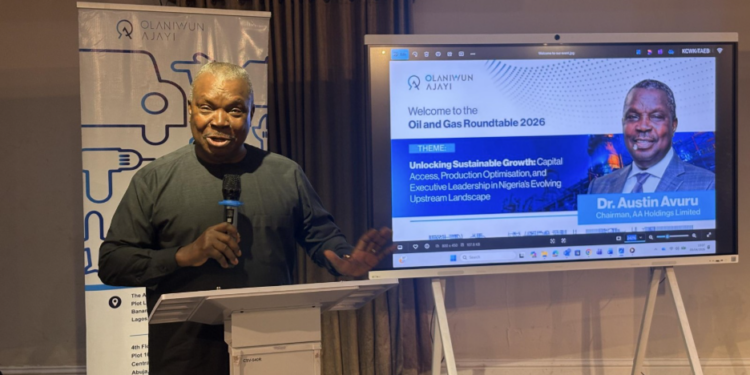
Nigeria’s crude oil industry is entering a critical recovery phase that could see production hit 2.3 million barrels per day (bpd) by 2030. This projection was shared by Austin Avuru, a veteran geologist and pioneer CEO of Seplat Energy, during a high-level industry roundtable in Lagos on April 9, 2026.
Avuru’s outlook acknowledges that while the industry is finally “picking up,” it is still unwinding the effects of a decade-long investment drought that saw annual spending in the sector crash from $22 billion to just $5 billion by 2022.
The “Lost Decade” of Investment
Avuru highlighted a direct correlation between falling investment and declining output. Between 2012 and 2022, structural and regulatory inefficiencies—particularly delays in approving International Oil Company (IOC) divestments—stifled capital inflows.
This period saw Nigeria’s production tumble from a high of 2.6 million bpd to a historic low of 900,000 bpd. While the current trajectory is positive, Avuru warned that it would take another three to five years to return to previous heights, with 2.3 million bpd being a realistic target for the turn of the decade.
Current Production Pulse: March & April 2026
The 2030 forecast comes at a time of significant short-term recovery. Despite a dip in February due to maintenance on the Bonga FPSO, the latest figures show strong momentum:
-
OPEC March Report: Confirmed production rose to 1.38 million bpd.
-
NUPRC April Figures: Reported a surge to 1.84 million bpd in early April.
-
NNPC Ltd Estimates: Placed current output at approximately 1.71 million bpd.
While Nigeria remains the top producer in Africa, it is still working to consistently bridge the 117,000 bpd gap required to meet its OPEC quota of 1.5 million bpd.
Unlocking the Deepwater Frontier
To reach the 2.3 million bpd milestone, Nigeria is leaning heavily on stalled deepwater assets. A major catalyst for this growth is the Bonga Southwest Aparo project.
-
Investment: Expected to attract $20 billion in Foreign Direct Investment (FDI).
-
Output: Projected to add 150,000 bpd to national production.
-
Economic Impact: Predicted to create over 5,000 jobs and significantly boost gas supply.
President Bola Tinubu’s approval of targeted fiscal incentives for this project is being viewed by stakeholders as a “green light” for renewed global investor confidence.
The Execution Discipline Factor
Avuru emphasized that capital alone will not solve the sector’s challenges. Recovery depends on execution quality—which includes disciplined planning, transparent performance tracking, and strong governance. To ensure long-term stability, companies must balance profitability with the interests of the government, staff, and host communities.

