
Nigeria and Angola Spearhead Africa’s Drive Toward Refined Petroleum Independence
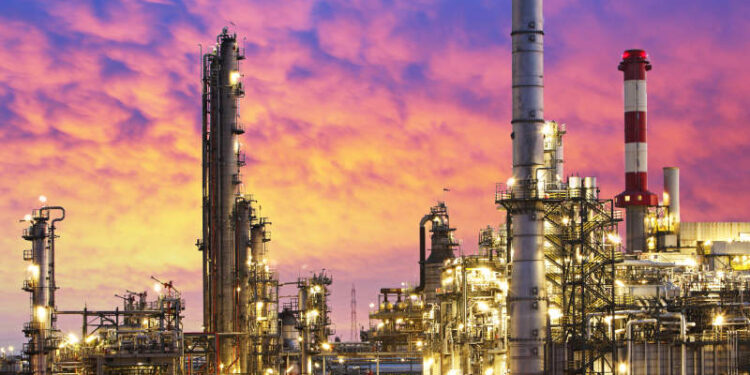
A major new energy analysis highlights Nigeria and Angola as pivotal players in Africa’s quest for greater downstream independence in the petroleum sector. With ambitious refinery expansions and infrastructure upgrades, the continent is on track to dramatically boost its refining output, reducing chronic reliance on imported fuels and capturing more value from its vast crude oil resources.
Africa has long faced a structural paradox: holding significant global oil reserves yet importing the majority of its refined petroleum products. Historically, the continent’s refining utilization rates have hovered low — often cited around 45% in older assessments — due to aging infrastructure, underinvestment, and operational inefficiencies. This has forced billions in annual imports, exposing economies to global price volatility and supply disruptions.
That landscape is shifting rapidly. Nigeria’s fully operational Dangote Refinery, the largest single-train refinery in the world with a nameplate capacity of 650,000 barrels per day (bpd), has reached full production as of early 2026. The facility is already exporting gasoline, diesel, jet fuel, and other products across West, Central, and East Africa, helping cushion supply shocks from international events. Owner Aliko Dangote has announced plans to expand it further to 1.4 million bpd by 2028, which would position it as a dominant global player.
In Angola, long-term infrastructure overhauls are gaining momentum. The country, a major crude producer, has advanced multiple greenfield and rehabilitation projects. Key initiatives include:
- The Cabinda Refinery, which began initial operations with a 30,000 bpd phase and is scaling toward 60,000 bpd.
- The Lobito Refinery, planned for up to 200,000 bpd.
- Additional developments in Soyo and upgrades to the existing Luanda facility.
These projects aim to slash Angola’s $2+ billion annual refined product import bill and establish regional self-sufficiency.
Collectively, these efforts are projected to lift Africa’s overall refining capacity utilization significantly — potentially approaching 90% effectiveness in meeting regional demand through expanded local production, according to the referenced energy assessment. This represents a transformative leap from previous levels, driven by private investment, public-private partnerships, and strategic policy shifts.
The push promises substantial economic benefits: job creation, reduced foreign exchange outflows, strengthened intra-African trade under the AfCFTA, and enhanced energy security. Nigeria is already transitioning toward net exporter status for certain fuels, while Angola’s developments could stabilize southern African supply chains.
Challenges remain, including financing gaps, feedstock logistics, maintenance expertise, and competition from established import routes. However, with Dangote’s scale and Angola’s multi-project pipeline, the continent is better positioned than ever to convert its crude wealth into refined prosperity.
Analysts view this as a cornerstone of Africa’s broader industrialization agenda — moving from raw resource exporter to value-added energy player. As one industry observer noted, these flagship operations are not just refineries; they are engines for regional economic resilience.

