
Lagos Unveils Ambitious Reforms to End Persistent Blackouts and Deliver 24-Hour Power Supply
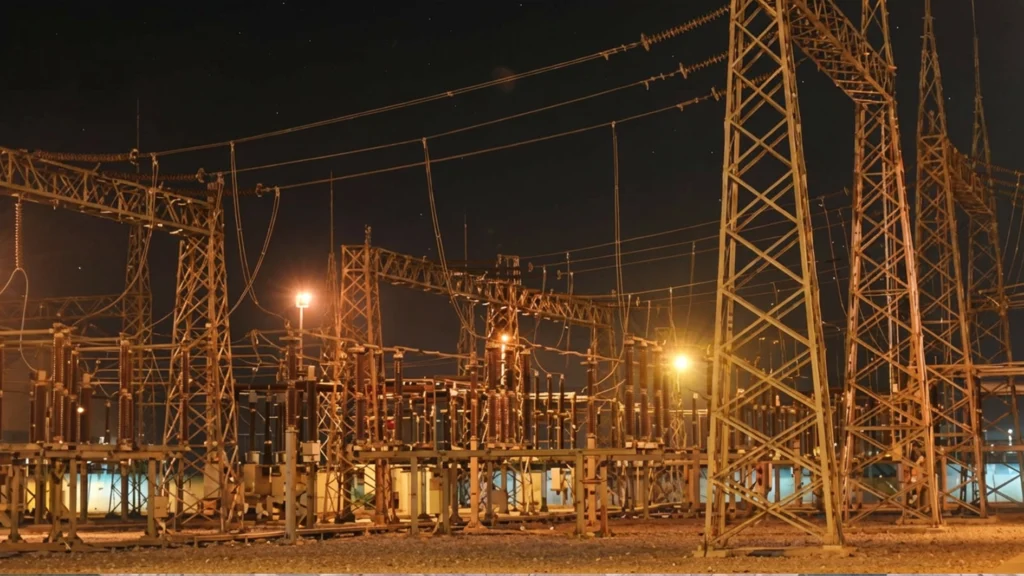
The Lagos State Government has unveiled a sweeping plan to end the persistent “culture of blackouts”. Under the Lagos State Electricity Law 2024, the state is licensing operators, rolling out universal metering, and pushing to completely phase out the controversial electricity band classification (A to E) to deliver uninterrupted, 24-hour power.
The reforms, driven by the Lagos State Electricity Regulatory Commission (LASERC), mark a significant step in decentralizing Nigeria’s power sector following the Electricity Act 2023. They aim to create a commercially viable, independent electricity market within Lagos, reducing heavy reliance on the national grid and attracting private investment. LASERC has already issued 14 licences and permits to operators across off-grid and embedded generation, independent distribution, metering services, and interconnected mini-grids.
Key pillars of the initiative include aggressive licensing of compliant private operators, full rollout of universal metering starting from July 2026, and infrastructure upgrades such as transformers, power lines, and monitoring systems. The state is also establishing franchise zones to enhance localized service delivery and reliability.
Officials have outlined ambitious targets: achieving 95-100% grid availability, full metering penetration, and reducing energy losses to single digits by 2030. Many residents could begin experiencing more stable supply as early as October 2026, with improvements from embedded projects expected within six to 12 months. The long-term vision is a 24-hour electricity market powered by private sector participation and smart technologies.
The band classification system — which tied tariffs to service hours (Band A for 20+ hours down to Band E for 4+ hours) — has long drawn criticism for its inequities and failure to guarantee reliable supply. Phasing it out is central to the new approach, which prioritizes uniform standards and performance-based regulation over the current fragmented model.
Governor Babajide Sanwo-Olu’s administration views the Electricity Law as a catalyst for economic growth, addressing chronic outages that have forced businesses to rely on expensive diesel generators. Lagos, which contributes significantly to Nigeria’s GDP, stands to benefit from improved industrial capacity utilization and reduced operational costs.
Stakeholder engagements are ongoing, with LASERC emphasizing consumer protection, standards enforcement, and a gradual but determined transition. While challenges remain — including infrastructure upgrades and coordination with federal entities — the state’s proactive licensing and metering push signal strong commitment to transforming Lagos into Africa’s leading subnational electricity market.
This initiative positions Lagos at the forefront of Nigeria’s power sector decentralization, offering hope for residents and businesses long frustrated by unreliable supply.

