
Kenya Hikes Petrol Prices by 16% as Global Supply Shocks Intensify
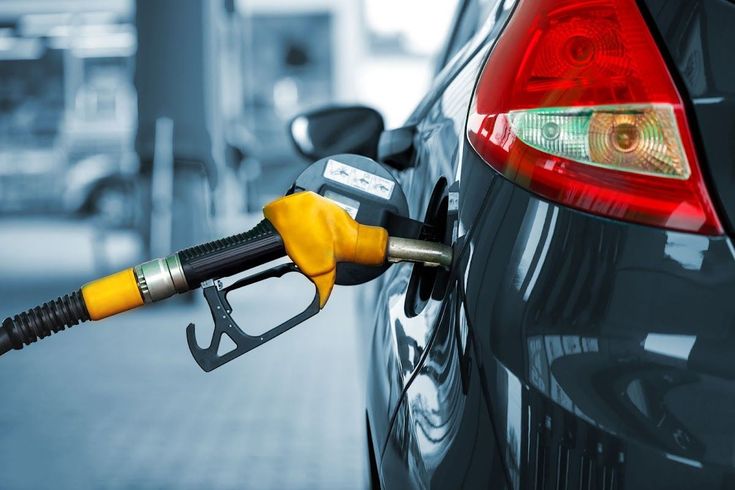
The ripple effects of Middle East tensions are reshaping the energy landscape across East Africa. On April 15, 2026, Kenya’s Energy and Petroleum Regulatory Authority (EPRA) announced a significant 16% increase in petrol prices, driven by a staggering 41.53% surge in the landed cost of imported fuel.
This price adjustment, effective through May 14, 2026, highlights the extreme vulnerability of import-dependent economies to the ongoing global supply disruptions affecting the Persian Gulf.
The Numbers: A Surge in Landing Costs
Kenya, which relies on government-to-government deals with suppliers like Saudi Aramco and Emirates National Oil Company, has seen its import costs skyrocket between February and March 2026:
-
Super Petrol: Landed cost jumped from $582.11 to $823.87 per cubic metre (a 41.5% increase).
-
Diesel: Landed costs surged by nearly 69%.
-
Kerosene: Faced the most dramatic spike, rising by over 105%.
In response, the Kenyan government has adjusted the retail pump prices, with Super Petrol increasing by KShs 28.69 per litre and Diesel by KShs 40.30 per litre.
Fiscal Cushioning: Reducing VAT to 13%
To prevent an even more aggressive spike at the pumps, the Kenyan government has implemented a strategic tax cut. The Value Added Tax (VAT) on Super Petrol, Diesel, and Kerosene has been reduced from 16% to 13%. This fiscal intervention is specifically designed to cushion consumers from the full weight of escalated international prices while keeping inflation—currently at 4.4%—within the government’s target range.
The Nigerian Parallel: No Return to Subsidies
Kenya’s struggle mirrors the reality in Nigeria’s deregulated market, where petrol prices have climbed from ₦799 to approximately ₦1,200 per litre during the current crisis.
Despite analyst warnings that Nigerian prices could potentially hit ₦2,000 per litre, the Federal Government has maintained a firm stance:
-
No Subsidy Reintroduction: Minister of Finance Wale Edun has officially ruled out any return to petrol subsidies.
-
Fiscal Reality: Zacch Adedeji, Executive Chairman of the FIRS, noted that maintaining the subsidy regime in 2026 would have cost Nigeria ₦52 trillion—a staggering 76% of the national budget.
Strategic Outlook: Energy Security vs. Import Dependency
The simultaneous price hikes in Kenya and Nigeria underscore a broader continental challenge. For Kenya, the reliance on Persian Gulf suppliers makes the economy highly sensitive to disruptions in the Strait of Hormuz. For Nigeria, while domestic production is ramping up to 1.84 million bpd, the deregulated nature of the market means local prices remain tethered to the same global landing costs affecting Kenya.
As both nations navigate these high-cost environments, the focus is shifting toward long-term energy independence—through increased domestic refining in Nigeria and expanded renewable energy and storage initiatives in Kenya.

