
Power Subsidy Hits ₦418.79bn in Q4 2025 as DisCos Achieve 93% Remittance
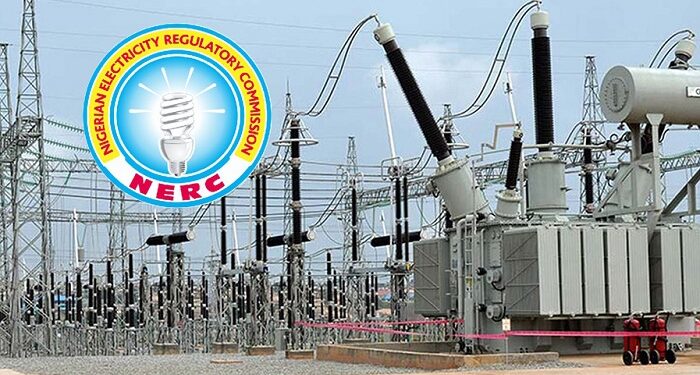
Nigeria’s power sector is navigating a complex financial landscape characterized by a significant ₦418.79 billion subsidy burden in the fourth quarter of 2025. According to the latest report from the Nigerian Electricity Regulatory Commission (NERC), while the federal government continues to bridge the revenue gap, electricity distribution companies (DisCos) have shown remarkable operational discipline, posting a record 93.04% remittance rate.
The data highlights a gradual but deliberate shift in the market as the government moves toward more transparent and cost-reflective energy pricing.
The Subsidy Breakdown: A Downward Trend
While the ₦418.79 billion figure is substantial, it actually represents a ₦39.96 billion decrease from the ₦458.75 billion recorded in the previous quarter. This shift indicates that the “shortfall” between what it costs to produce electricity and what consumers pay is slowly narrowing.
Government subsidies now account for 52.30% of total Generation Company (GenCo) invoices. The primary driver of this reduction was the strategic decision to increase energy allocation to Band A customers—from 40% to 45%. These customers receive a higher quality of supply and pay tariffs that more closely reflect the actual cost of power, thereby easing the financial pressure on the national treasury.
DisCo Performance: A Record Remittance Win
The 93.04% average remittance rate is a historic high for the Nigerian Electricity Supply Industry (NESI). It proves that despite the challenges of aging infrastructure and collection difficulties, the majority of DisCos are meeting their financial obligations to the market.
The performance, however, remains uneven across the country. Major hubs like Abuja, Eko, Enugu, Ikeja, and Port Harcourt achieved a perfect 100% remittance rate, leading the sector’s recovery. Other strong performers, including Yola, Benin, and Ibadan, all remitted above 95% of their invoices.
Conversely, significant liquidity challenges persist in the northern regions. Kano, Jos, and Kaduna DisCos recorded the steepest shortfalls, with remittance rates ranging from 40% to 75%. These gaps remain a focal point for NERC as it seeks to stabilize the entire value chain.
Structural Shift: The 2026 Subsidy Sharing Plan
The era of the Federal Government carrying the entire electricity subsidy burden alone is coming to an end. Under the Electricity Act 2023, which decentralized the sector and empowered states to regulate their own markets, a major fiscal change is set for 2026.
President Bola Ahmed Tinubu has signaled that the 2026 budget will make electricity subsidies “explicit, practical, and transparent.” Starting next year, the cost of these subsidies will be shared across the Federal, State, and Local governments. This move ensures that no single tier of government carries hidden liabilities and encourages states to take more direct ownership of the power supply and pricing within their borders.
Looking Ahead
For the Nigerian power sector, 2026 marks a “Subsidy Reset.” As the market moves away from a centralized monopoly and toward a competitive, state-led framework, the focus will remain on whether the lagging DisCos can close their collection gaps and whether the new Band A strategy can be sustained without alienating consumers.
The current 93% remittance rate suggests that the foundation for a more accountable power sector is finally being laid, providing a rare glimmer of optimism for Nigeria’s energy future.

