
Petrol Sales Drop to 1,000 Litres Daily from 10,000 as Demand Weakens
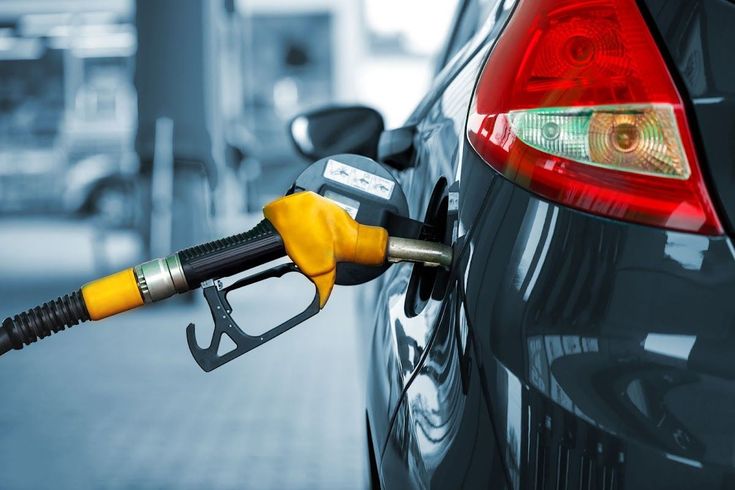
The Nigerian downstream petroleum sector is currently navigating one of its most challenging periods as a perfect storm of global volatility and domestic pricing dynamics reshapes the energy landscape. Recent data from industry operators reveals a staggering decline in daily turnover at filling stations across the country. Stations that once averaged daily sales of 10,000 litres are now struggling to move 1,000 litres, with some locations reporting volumes as low as 300 litres per day. This 90% drop in sales is a direct reflection of weakened consumer purchasing power following the sharp rise in pump prices.
The surge in prices has been dramatic, with petrol jumping from an average of ₦839 per litre to over ₦1,350, while diesel has climbed above ₦1,750 per litre. This spike is largely driven by global crude oil prices, which have soared above $117 per barrel due to sustained conflict in the Middle East involving the United States, Iran, and Israel. In a deregulated market, these international shocks—combined with exchange rate pressures—dictate local costs, leaving the Nigerian consumer to bear the brunt of global instability.
This “affordability crisis” has forced a fundamental shift in consumer behavior. Motorists are no longer buying in bulk; instead, the “full tank” has been replaced by micro-purchases of just four or five litres. To cope, many have abandoned luxury vehicles in favor of more economical cars, while others are pivoting to alternative transportation methods such as electric vehicles (EVs), tricycles, and public transit. For oil marketers, this shift means tighter margins and significantly higher working capital requirements, as the cost of stocking products continues to rise while demand softens.
Industry stakeholders, including the Independent Petroleum Marketers Association of Nigeria (IPMAN), point to structural challenges as a major hurdle. The absence of fully operational government-owned refineries has left the market without a domestic benchmark to help moderate prices. Operators argue that if NNPC refineries were functional, they could provide a layer of stability and competition that is currently missing. Instead, the market remains tethered to import costs and the production expenses of private refiners who must align with international crude rates.
To survive this era of declining petrol demand, many marketers are being forced to innovate. Diversification has become a key strategy, with businesses moving into alternative energy products and optimizing supply chains to reduce waste. While products remain available—avoiding the added chaos of fuel queues—the challenge has shifted entirely to affordability. As global energy costs continue to fluctuate, the Nigerian energy sector finds itself at a crossroads, where operational efficiency and a transition toward a more diversified energy mix are no longer optional, but essential for survival.

