
Nigerian Manufacturers Spent ₦676.6 Billion on Backup Power in First Half of 2025 Amid Persistent Grid Failures
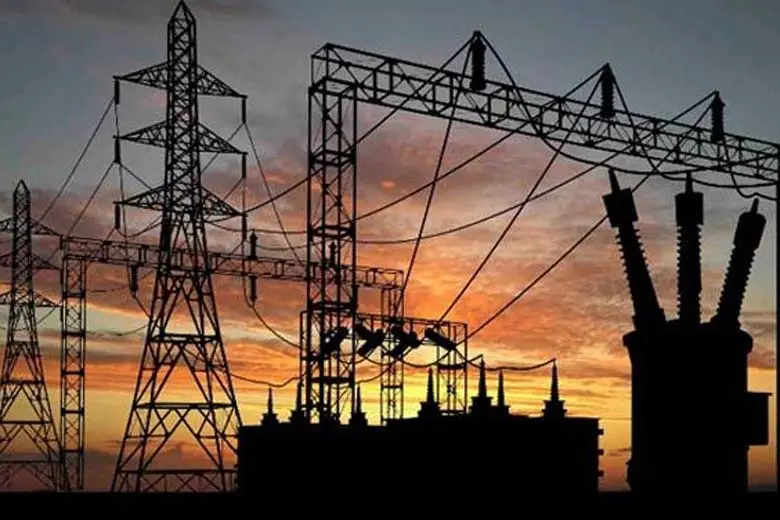
Nigeria’s manufacturing sector expended ₦676.6 billion on alternative energy sources (primarily diesel and gas generators) in the first six months of 2025, yet still faced chronic power shortages that hampered production, according to the Manufacturers Association of Nigeria (MAN) in its October 2025 Manufacturing State of Affairs report.
Although the figure represents a decline from ₦708.1 billion recorded in the second half of 2024, MAN described the cost as “a heavy burden” on operational expenses, contributing to 18,935 job losses in the same period alongside ₦1.72 trillion spent on imported raw materials.
The report, which also included the latest Manufacturers CEO Confidence Index (MCCI) for Q3 2025, ranked inadequate electricity supply and the high cost of both grid power and self-generation as the top business challenges facing the sector.
Industry leaders warned that reliance on backup generation remains unsustainable. Former MAN Vice President John Aluya noted that even substantial investments in alternatives, including solar, fall short of industrial requirements. He explained that achieving one megawatt of solar capacity typically requires an acre of land and enormous capital outlay, ultimately driving up production costs and eroding competitiveness.
“Manufacturers in other countries focus on production because basic infrastructure is guaranteed. In Nigeria, companies have to provide their own power, water, and logistics,” Aluya said, calling for urgent government intervention in energy pricing and supply.
MAN recommended that the Federal Government accelerate embedded generation projects, promote industrial-cluster power schemes using gas and renewable mini-grids, and ensure manufacturers gain access to reliable and affordable off-grid electricity.
The association reiterated its long-standing position that Nigeria’s electricity tariff regime and supply deficiencies continue to threaten industrial survival, job creation, and overall economic competitiveness.

