
Nigeria Saves ₦52 Trillion as Fuel Subsidy Exit Reshapes 2026 Budget
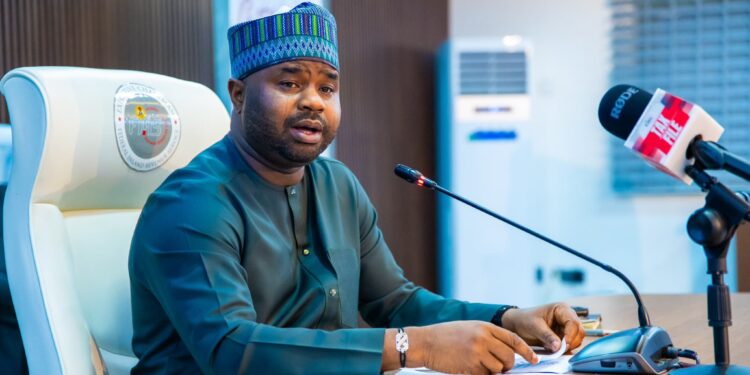
In a powerful defense of Nigeria’s economic reforms, Zacch Adedeji, Executive Chairman of the Nigeria Revenue Service (NRS), revealed that the country would have been forced to spend a staggering ₦52 trillion on fuel subsidies in 2026 alone.
Speaking on Tuesday, April 14, 2026, during the commissioning of the new NRS headquarters in Abuja, Adedeji noted that this cost would have swallowed 76% of Nigeria’s ₦68 trillion national budget, effectively paralyzing the government’s ability to fund infrastructure, healthcare, or education.
The Math of a Fiscal Crisis
Adedeji provided a grim “what-if” scenario based on current global energy dynamics, specifically the spike in oil prices to $120 per barrel triggered by ongoing Middle East tensions.
-
The Subsidy Trap: Had the subsidy remained, ₦52 trillion out of the ₦68 trillion budget would have gone purely to keeping petrol prices artificially low.
-
External Reserves: Adedeji highlighted that Nigeria’s reserves now stand at $34 billion. Under the old subsidy regime, he projected they would have shriveled to a precarious $2 billion.
-
The Opportunity Cost: The Chairman emphasized that the removal was not just a policy shift but a survival tactic to move Nigeria from “severe fiscal strain” to a “stable economic footing.”
From FIRS to NRS: A New Era of Tax Governance
The event also served as a milestone for Nigeria’s tax administration, marking the formal transition from the Federal Inland Revenue Service (FIRS) to the Nigeria Revenue Service (NRS).
Minister of Finance Wale Edun (represented by Taiwo Oyedele) described the new NRS headquarters as a symbol of transformed tax governance. The reform is built on an ambitious efficiency model:
-
ROI on Tax Admin: The government estimates that for every ₦1 invested in NRS technology and administration, the country generates ₦10 in returns.
-
Revenue Diversification: By strengthening the NRS, the government aims to permanently reduce Nigeria’s reliance on volatile oil revenues and expensive borrowing.
No U-Turn: Standing Firm on Deregulation
Despite the rising cost of petrol—which has climbed to around ₦1,200 per litre due to the U.S.-Israeli conflict with Iran—the Federal Government has reiterated that there is no plan to reintroduce subsidies.
Wale Edun, who recently assumed the chairmanship of the Intergovernmental Group of 24, maintained that the focus must remain on:
-
Targeted Relief: Providing temporary and specific aid to the poor and most vulnerable rather than broad-based subsidies.
-
Long-term Sustainability: Ensuring the 2026 budget remains focused on capital development rather than consumption.
The 2026 Context
The ₦52 trillion “savings” reported by Adedeji provides a macro-level justification for the current high-price environment. While Nigerians continue to feel the inflationary pressure of ₦1,200/litre petrol, the government’s message is clear: the alternative would have been a total fiscal collapse where three-quarters of the national budget existed only to fund fuel imports.

