
ANOH Gas Project Delivers First Gas, Boosting Nigeria’s Domestic Supply
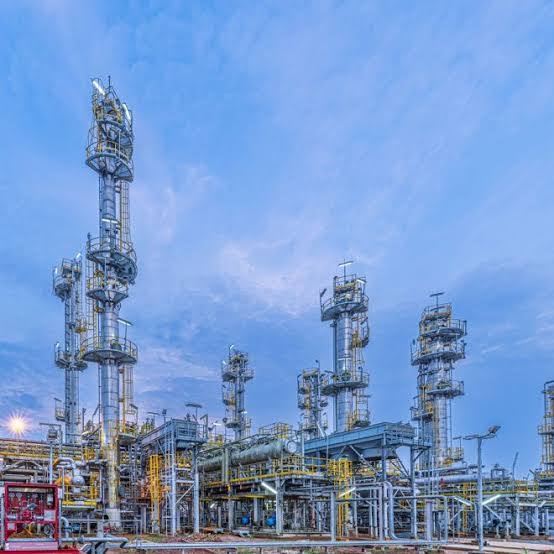
Nigeria’s energy sector has achieved a major milestone with the successful commissioning of the 300 million standard cubic feet per day (MMscfd) Assa North-Ohaji South (ANOH) gas processing facility, which recorded first gas on 16 January 2026.
Seplat Energy Plc, in partnership with the Nigerian Gas Infrastructure Company (NGIC) through the ANOH Gas Processing Company (AGPC), announced the breakthrough following completion of the 11-kilometre Indorama export pipeline and regulatory approval from the Nigerian Upstream Petroleum Regulatory Commission (NUPRC). This enabled immediate gas supply to the Indorama Petrochemical Plant under firm and interruptible Gas Sales Agreements (GSAs).
To facilitate the initial flow, four upstream wells on standby since November 2025 were reactivated. Since startup, wet gas production has stabilised at 40–52 MMscfd, with condensate output reaching 2.0–2.5 thousand barrels of oil equivalent per day (kboepd). Volumes are expected to rise progressively as the plant ramps up to its full 300 MMscfd design capacity.
The facility, featuring two 150 MMscfd processing trains, LPG recovery units, condensate stabilisation, a 16 MW power plant, and supporting infrastructure, operates with zero routine flaring—a key sustainability feature. It will also process flared gas from the Ohaji field, supporting Seplat’s onshore end-of-routine-flaring goal.
Preparations are advancing for interruptible gas sales to Nigeria LNG (NLNG), further enabling scale-up. While construction of the primary OB3 pipeline export route by NGIC has resumed, a revised completion timeline will be provided later.
The project unlocks an estimated 4.6 trillion cubic feet (Tcf) of condensate-rich gas resources across the unitised OML 53 and OML 21 fields, with Seplat’s working interest 2P reserves at 0.8 Tcf (as booked end-2024). Seplat will benefit from wet gas sales and dividends from its 50% stake in AGPC.
Additionally, ANOH’s LPG output—combined with production from Sapele and Bonny River Terminal—positions Seplat as a leading domestic supplier of clean cooking fuel. The development, achieved with zero lost time incidents over 17.5 million man-hours, marks the first of seven priority gas projects identified by the Federal Government to reach operations.
Roger Brown, Seplat Energy’s Chief Executive Officer, described ANOH as a strategic achievement for the company, its partner, and Nigeria. “It increases our onshore gas processing capacity to over 850 MMscfd, reduces carbon intensity, supports our 2030 production target of 200 kboepd, and enhances energy access through improved power generation and clean cooking solutions,” he said.
This landmark project underscores growing momentum in Nigeria’s gas monetisation efforts, addressing domestic shortages, bolstering industrial supply, and advancing sustainable energy development in Africa’s largest economy.

