
Africa’s Gas Potential Hampered by Infrastructure Deficits – AEC 2026 Outlook
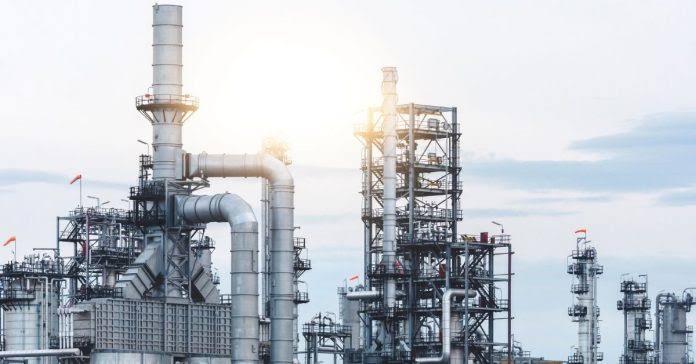
Africa’s immense natural gas resources, exceeding 550 trillion cubic feet of undeveloped reserves, remain largely untapped due to critical shortages in regional transportation infrastructure, according to the African Energy Chamber’s State of African Energy 2026 Outlook.
The report highlights that, despite a projected 60% surge in gas demand across the continent by 2050, inadequate pipelines, processing facilities, and cross-border transport networks continue to strand significant volumes of gas. Key reserves in Mozambique’s Rovuma Basin and Nigeria’s Niger Delta exemplify the untapped potential, yet the absence of efficient connectivity prevents gas from reaching domestic power plants, industries, or export facilities amid intensifying global competition and anticipated declines in LNG prices later this decade.
While Africa has made strides in expanding LNG export capacity—with established suppliers including Nigeria, Angola, Equatorial Guinea, and Cameroon, alongside emerging projects in Mozambique and the Senegal-Mauritania basin—domestic utilisation lags. Industrialisation efforts are constrained by poor infrastructure linkages, regulated low gas pricing, and limited midstream processing capabilities.
Positive momentum is evident in the gas-to-power sector, particularly in Nigeria, Ghana, and Mozambique, while Angola and South Africa advance gas-led industrial strategies. However, developers face elevated costs and restricted market access without robust mechanisms to transport gas across borders or connect inland demand to coastal terminals.
African Energy Chamber Executive Chairman NJ Ayuk emphasised the need for strategic action: Governments must strike a careful balance between ensuring energy affordability and access for citizens while offering sufficient investment returns to attract capital for essential pipelines, processing plants, and power infrastructure.
“With targeted infrastructure investment, progressive policy reforms, and strong strategic partnerships, natural gas can serve as a vital foundation for Africa’s energy transition and industrial growth,” Ayuk stated.
The outlook underscores that unlocking Africa’s gas wealth requires prioritising connectivity to convert stranded resources into engines of economic development and energy security.

