
Aliko Dangote Pledges Identical 650,000 bpd Refinery for Tanzania
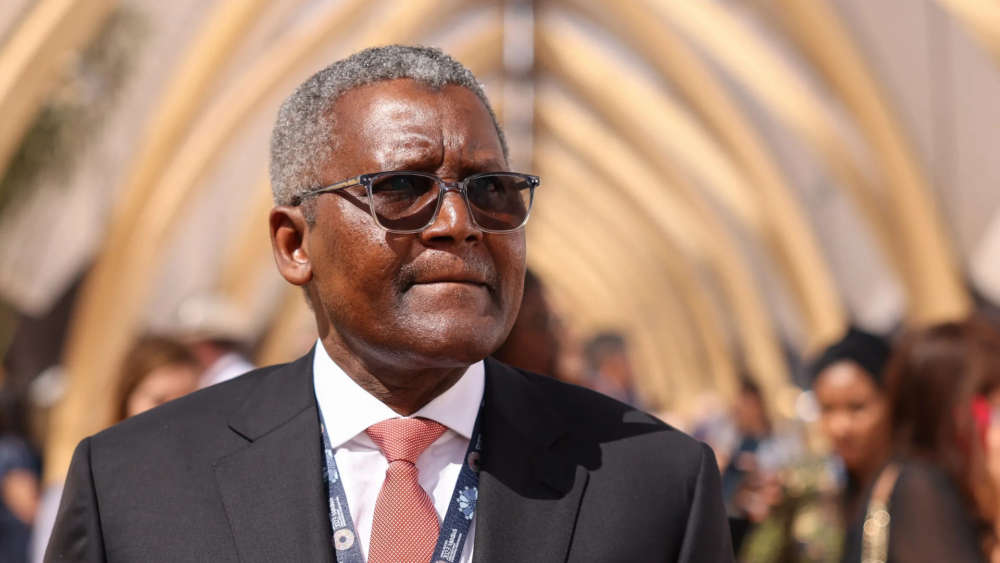
In a bold move to solidify his position as Africa’s industrial leader, Aliko Dangote has officially committed to leading the construction of a new, high-capacity oil refinery in the Tanzanian port city of Tanga. The project, unveiled on Thursday, April 23, 2026, is intended to be a direct “mirror image” of his landmark facility in Lagos, Nigeria.
The announcement was made during a high-stakes panel at the Africa Finance Corporation (AFC) “Africa We Build” Summit in Nairobi. Speaking alongside Kenyan President William Ruto and Ugandan President Yoweri Museveni, Dangote positioned the project as a critical solution to East Africa’s energy dependence and price volatility.
The Tanga Refinery: A Regional Powerhouse
The proposed facility in Tanga is designed to serve as a shared regional asset for the East African Community (EAC).
-
Capacity: 650,000 barrels per day (bpd).
-
Target Timeline: Completion within four to five years.
-
Feedstock Strategy: The refinery will process crude oil from the Democratic Republic of Congo (DRC), South Sudan, Kenya, and Uganda.
-
Infrastructure Links: A proposed pipeline will connect the Tanga refinery to the Kenyan port of Mombasa to ensure efficient product distribution across the region.
Strategic Timing and the EACOP Connection
The Tanga project is designed to complement the East African Crude Oil Pipeline (EACOP), a 1,443-kilometer heated pipeline linking Uganda’s oil fields in the Lake Albert region to the Tanzanian coast.
-
July 2026 Goal: Tanzania and Uganda are currently pushing for the first crude oil shipments via the EACOP by July.
-
Refining vs. Export: While the EACOP focuses on raw crude exports, the Tanga refinery will provide the region with the capability to process its own oil into finished products like gasoline, diesel, and aviation fuel, effectively shielding East Africa from Middle Eastern supply shocks.
The “Roofless Replication” Strategy
Dangote’s promise to build an “identical” refinery is not just a figure of speech—it is a strategic engineering choice known as roofless replication. By using the existing designs and proven technical specifications from the Lagos refinery, the group aims to:
-
Eliminate Engineering Delays: Avoiding the multi-year redesign phase that typically stalls mega-projects.
-
Accelerate Procurement: Re-ordering long-lead equipment and materials from established global vendors.
-
Lower Costs: Leveraging the experience gained from the $19 billion investment in the Nigerian plant to achieve greater efficiency in Tanzania.
Dominance in the West: The 1.4 Million bpd Expansion
While expanding into East Africa, the group is simultaneously aggressive in the West. Piling works have already begun at the Lekki site in Lagos to scale the current facility from 650,000 bpd to 1.4 million bpd.
Once completed, the Lagos complex will account for roughly 10% of the total refining capacity of the United States, cementing its status as the largest single-train refinery in the world. This expansion is supported by a $4 billion syndicated loan, with the African Export-Import Bank underwriting $2.5 billion of the package.

