
Nigeria Hits 300MW Local Manufacturing Capacity as Regional Export Begins
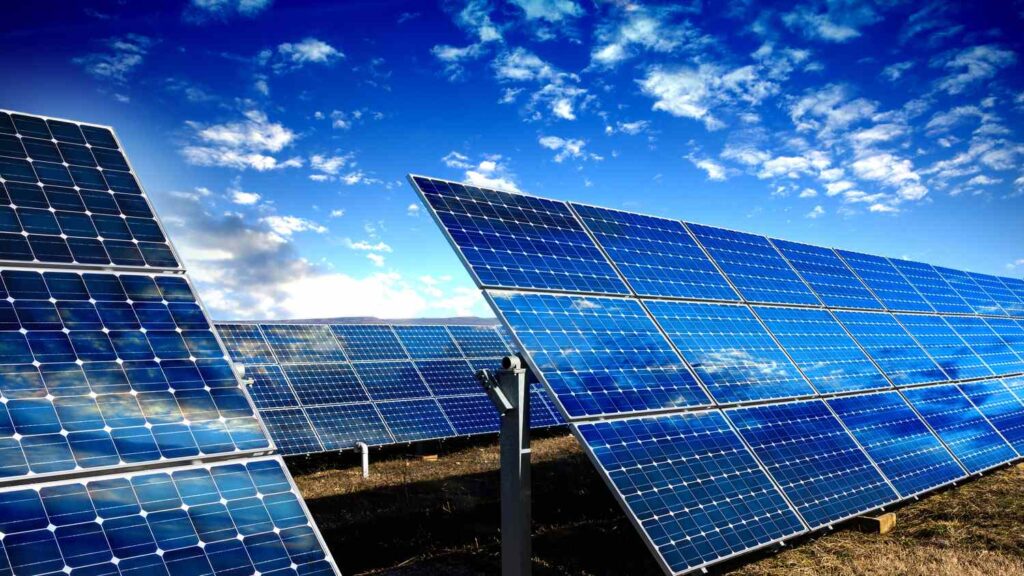
Nigeria is rapidly transforming from a passive consumer of renewable technology into a regional manufacturing powerhouse. According to the Rural Electrification Agency (REA), the country’s domestic solar panel manufacturing capacity has more than doubled in two years, surging from 120MW to 300MW in 2026.
The Managing Director of the REA, Abba Aliyu, revealed during a recent AJERAP webinar in Lagos that this growth is backed by a massive 3.7 gigawatt (GW) project pipeline, signaling a long-term shift toward energy self-sufficiency and industrialization.
Lagos to Accra: Nigeria as a Regional Hub
The most significant indicator of this industrial shift is the commencement of solar panel exports from Lagos to Accra, Ghana. Nigeria is no longer just looking inward; it is positioning itself as the renewable energy heartbeat of West Africa.
-
Investment Inflow: In 2025 alone, Nigeria attracted $425 million in renewable energy investments, which directly funded the establishment of eight new manufacturing facilities.
-
Continental Interest: Nations including Mozambique, Benin Republic, Niger, and Mauritius are now engaging Nigeria to replicate its decentralized electricity access model.
-
Regional Integration: The REA is advocating for a formal West African off-grid electricity market to complement the existing regional power pool, potentially allowing Nigeria to power border communities in neighboring countries.
Regulatory Fuel: The 2026 Mini-Grid Framework
The surge in manufacturing is being met with a ready market, thanks to the NERC Mini-Grid Regulations 2026. These new rules have expanded the playground for developers:
-
Higher Limits: Isolated mini-grids can now scale up to 5MW, while interconnected systems (linked to DisCos) can reach 10MW.
-
Streamlined Licensing: The regulatory “red tape” has been slashed, with simplified environmental assessments and a 30-day permit turnaround time.
-
Investor Confidence: By making projects “bankable” and scalable, the government is successfully moving the sector from pilot projects to utility-scale distributed energy.
Funding the Future: DARES and Revolving Credits
The expansion is supported by a robust financial architecture designed to reach the “last mile” of the Nigerian population:
-
The DARES Programme: This $750 million initiative (aiming to mobilize an additional $1.1 billion in private capital) targets providing power to 17.5 million Nigerians through 2.5 million household connections and 1,350 mini-grids.
-
₦100 Billion Credit Line: The REA recently secured a revolving credit facility with Lotus Bank to provide affordable financing for developers working in underserved rural areas.
-
ECOWAS Partnership: Under the Regional Off-Grid Electricity Access Project (ROGEAP), Nigeria is already deploying solar systems to public institutions across the sub-region.

