
NERC Mandates 6.5% Transmission Loss Target by December 2026
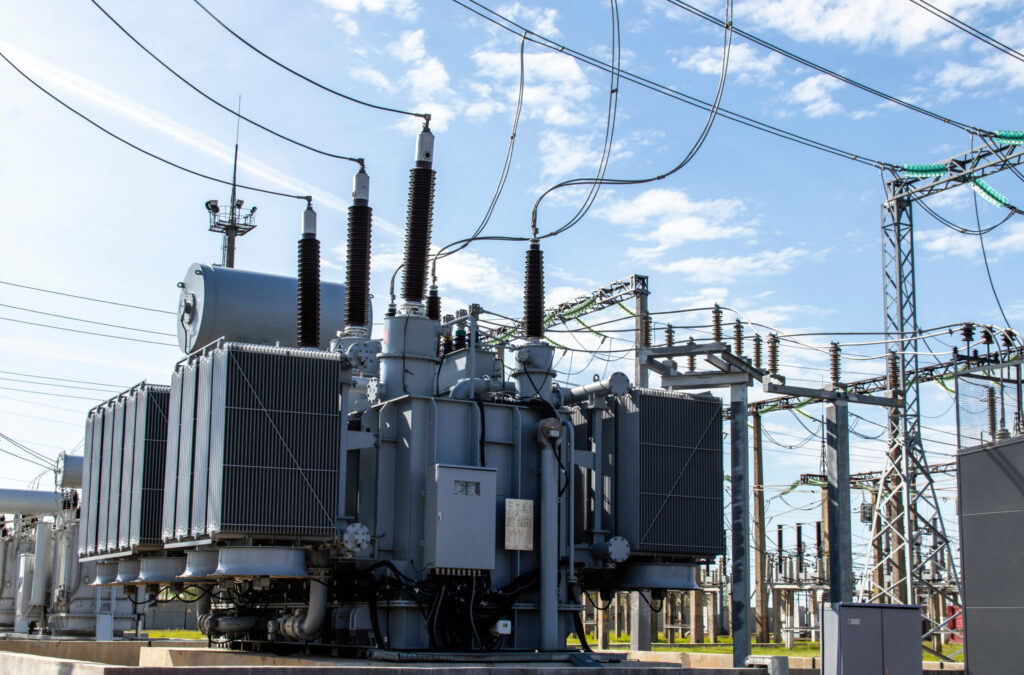
The Nigerian Electricity Regulatory Commission (NERC) has launched a decisive regulatory offensive against technical waste in the power sector. Through Order No. NERC/2026/026, the commission is enforcing stricter monitoring and transparency requirements for the national grid, following new data showing that transmission losses remain above regulatory benchmarks.
While the Nigerian Independent System Operator (NISO) reported a decline in transmission losses from 8.71% in 2024 to 7.24% in 2025, the figure still sits above the 7% threshold allowed under the Multi-Year Tariff Order (MYTO). To combat this, NERC has now set an even more aggressive target: reducing losses to 6.5% by December 2026.
Regional Accountability and Smart Metering
The new directive moves away from generalized national oversight to a more granular, region-based reporting system. By tracking inefficiencies at the regional level, NERC aims to identify specific technical bottlenecks and infrastructure weaknesses that have historically been obscured by national averages.
Key compliance obligations include:
-
Smart Meter Deployment: NISO must install smart meters at all regional transmission interconnection points by December 2026 to ensure 100% accuracy in measuring energy flows.
-
Quarterly Reporting: NISO is now required to submit detailed quarterly reports on transmission losses, broken down by region.
-
TCN Action Plan: The Transmission Company of Nigeria (TCN) has until July 2026 to submit a comprehensive technical plan detailing the upgrades and maintenance strategies needed to hit the 6.5% target.
The Challenge of Aging Infrastructure
The struggle for grid efficiency is rooted in decades of underinvestment. Aging transmission lines and limited real-time monitoring have made it difficult to track exactly where energy is being lost. By leveraging the Electricity Act 2023, NERC is using its empowered legal standing to force operational discipline on both the TCN and NISO.
Strategic Context: Gas Dependency and Grid Stability
While NERC focuses on reducing technical losses, the broader stability of the grid remains tied to fuel availability. NISO data confirms that over 70% of Nigeria’s grid electricity comes from gas-fired thermal plants. This heavy reliance makes the system extremely vulnerable to gas supply disruptions, which remain the leading cause of prolonged nationwide outages.
By tightening transmission oversight, NERC hopes to ensure that every megawatt generated—at a high cost from thermal plants—actually reaches the distribution networks with minimal waste.

