
Nigeria Hits 4,300MW as Gas Supply Recovers
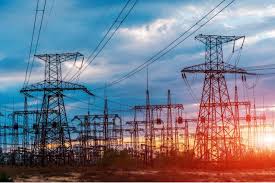
Nigeria’s power sector is showing signs of recovery, with electricity generation climbing from 3,951 megawatts (MW) to 4,300MW between March 28 and April 10, 2026. This improvement, announced by the Federal Government on Sunday, marks a fulfillment of the two-week stability assurance recently given by the Minister of Power, Mr. Adebayo Adelabu.
The surge is a significant milestone for a sector that has been plagued by persistent outages, primarily caused by the inability of generation companies to secure adequate fuel due to mounting debts owed to gas suppliers.
The Gas-to-Power Connection
The primary driver behind the 349MW increase was a steady rise in the feedstock available to thermal power plants. Data released by the Ministry of Power shows:
-
Gas Volume: Supply grew from 605 million standard cubic feet per day (mmscfd) to over 704 mmscfd.
-
Operational Availability: Peak efficiency rose to 4,694MW, proving that plants are successfully converting increased gas volumes into grid-ready electricity.
-
Mechanical Capacity: The system demonstrated a mechanical peak of 7,796MW, indicating that the physical infrastructure is capable of much higher output if gas supply remains consistent.
To prevent a slide back into scarcity, the Minister has inaugurated a Gas-to-Power Monitoring Committee. This body is tasked with bridging the gap between gas producers and GenCos to eliminate supply bottlenecks.
Strengthening the Regulatory and Human Capital Base
Beyond immediate generation gains, the Ministry is focusing on the long-term health of the value chain. Key directives include:
-
NEMSA Reforms: The Nigeria Electricity Management Services Agency has been tasked with increasing its Internally Generated Revenue (IGR) to become self-sustaining.
-
Metering Expansion: There is a renewed push to expand meter testing centers nationwide.
-
Skills Development: A partnership with the National Power Training Institute of Nigeria (NAPTIN) has been initiated to train more skilled meter installers, a move critical to bridging Nigeria’s massive metering gap.
Fiscal Reform or Familiar Pattern?
This operational recovery coincides with the President’s approval of a ₦3.3 trillion payment plan to settle decade-old legacy debts in the power sector. While the government views this as a “Financial Reform Programme” necessary to unlock further investment, it has met with public skepticism.
Critics, including former Governor Peter Obi, have raised concerns over the repetitive nature of these debt settlements, pointing to similar multi-trillion naira approvals in 2024. The challenge for the Ministry now is to prove that this 4,300MW milestone is not a temporary spike, but the beginning of a sustained upward trajectory supported by transparent fiscal management.

