
AfDB Launches $20 Million Funding Call for African Green Hydrogen Projects
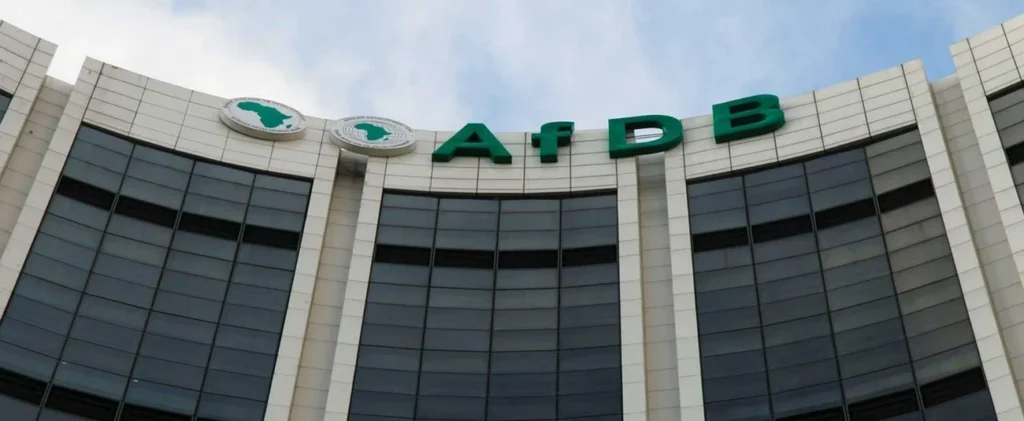
The African Development Bank (AfDB) is taking a decisive step toward positioning Africa as a global leader in the green energy transition. On April 8, 2026, the bank announced a $20 million funding call dedicated to accelerating green hydrogen projects across the continent.
Managed under the Sustainable Energy Fund for Africa (SEFA), this initiative aims to provide critical early-stage financing. The fund will shortlist three to five high-impact projects, offering up to $20 million in pre-investment funding to move them from the drawing board to investment readiness.
The Opportunity in Green Hydrogen
Green hydrogen is increasingly viewed as the “missing link” in the global energy transition, particularly for industries that are difficult to power with electricity alone. Dr. Daniel Schroth, AfDB’s Director of Renewable Energy and Energy Efficiency, emphasized that this sector is a dual-win for the continent.
“Green hydrogen represents a real opportunity for Africa, both to decarbonise hard-to-abate industries and to build new value chains,” Schroth stated. He noted that the SEFA programme is specifically designed to provide the technical and financial rigor necessary to make these emerging projects bankable and attractive to global investors.
Three Pillars of SEFA’s Green Strategy
The Green Hydrogen Programme is part of a broader SEFA framework that focuses on three strategic areas to transform Africa’s energy landscape:
-
Green Baseload: Scaling up large-scale renewable energy—such as solar, wind, and hydropower—to replace fossil fuel dependency with a stable, 24/7 power supply.
-
Green Mini-Grids: Utilizing small-scale, decentralized power systems to electrify rural and underserved communities, supporting local economies and essential services.
-
Energy Efficiency: Reducing waste through smarter energy use in households and industries, including the promotion of clean cooking and electric mobility.
A Growing Track Record in Renewables
This funding call is the latest in a series of aggressive moves by the AfDB to close Africa’s energy gap, where over 570 million people still live without electricity.
-
Recent History: In March 2026, the bank approved a $5.65 million grant for mini-grid projects across 14 African countries.
-
Investment Momentum: In 2024, SEFA committed $20 million across the ARM-Harith and Persistent Africa Climate Venture funds.
-
Domestic Synergy: This also complements local efforts, such as Nigeria’s Rural Electrification Agency (REA) recently disbursing ₦9 billion for solar mini-grids in states like Taraba, Kogi, and Niger.
Important Deadlines for Developers
For energy developers and stakeholders within the AFRENSE network, the timeline for this opportunity is tight:
-
Application Window Opens: April 10, 2026 (09:30 GMT)
-
Application Window Closes: May 11, 2026 (17:00 Abidjan time)

