
Nigeria’s Power Plants Operate at Just 36% Availability Amid Persistent Energy Shortage
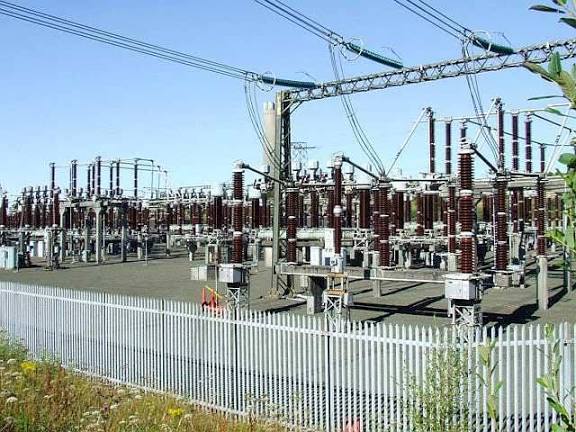
Recent NERC data underscores Nigeria’s enduring electricity crisis: despite an installed generation capacity of 13,625 MW, grid-connected power plants achieved only a 36% Plant Availability Factor in January 2026. This means nearly two-thirds of the country’s generation infrastructure remained idle, with an average of just 4,901 MW available for dispatch—less than half the installed potential.
Actual generation averaged 4,421 MWh per hour, reflecting a strong 90% load factor on available capacity but highlighting that the primary constraint is not demand or overcapacity, but severe operational limitations. Key challenges include chronic gas supply disruptions to thermal plants (which dominate the mix), inadequate maintenance, pipeline vandalism, commercial disputes in the gas-to-power chain, and transmission bottlenecks that limit the grid to evacuating around 5,500 MW.
Notable underperformers included major facilities such as Egbin (1,320 MW installed, 51% availability), Afam_1 (726 MW, 7% availability), and several plants like Alaoji_1 and Ibom Power_1 registering zero output—collectively wasting nearly 1,500 MW of potential, sufficient to supply millions of households.
Experts emphasize that Nigeria’s power woes stem less from a lack of infrastructure and more from fixing existing assets. As one analyst noted, the sector represents “resources lying fallow,” with gas supply and transmission issues forming the core bottlenecks.
The economic toll remains severe, with unreliable supply forcing reliance on costly diesel generators and costing the economy an estimated $29 billion annually—roughly 2% of GDP.
While modest improvements could deliver outsized gains—raising availability to 60% (still below global benchmarks) might add ~3,000 MW without new builds—ongoing reforms, including decentralisation and federal targets of 10,000 MW by 2025, face mounting hurdles amid these persistent structural failures.
Addressing the gas-to-power value chain, enhancing plant maintenance, and upgrading transmission remain urgent priorities to unlock Nigeria’s vast energy potential and alleviate the crisis gripping Africa’s most populous nation.

