
Nigeria’s Energy Sector Revamp Yields Tangible Gains
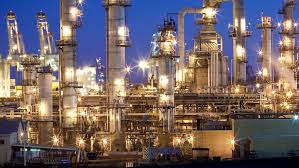
Nigeria’s accelerating momentum in revitalizing its oil and gas industry under President Bola Tinubu’s administration. Over the past year, targeted reforms have driven significant production increases, restored investor confidence, and positioned indigenous operators at the forefront of the nation’s hydrocarbon resources.
Indigenous companies now oversee assets accounting for more than half of Nigeria’s oil output, a milestone achieved through strategic divestments from international majors exiting onshore operations amid past security and theft challenges. Renaissance Africa Energy, the consortium of predominantly local firms that acquired Shell’s onshore assets in early 2025, has doubled production from its facilities—starting from approximately 100,000 barrels per day—demonstrating the impact of localized management and improved operational efficiency.
The government’s multifaceted strategy includes restarting idle refineries through partnerships with independent operators and international players, such as ongoing discussions with Chinese firms, and advancing ambitious plans to monetize Africa’s largest natural gas reserves. These initiatives build on the removal of petrol subsidies and the introduction of investor-friendly policies, including streamlined contracting, enhanced fiscal terms, and stronger regulatory frameworks that have sent positive signals to global markets.
Major investments underscore this resurgence: Shell is advancing the $20 billion Bonga South West deepwater project, projected to add 150,000 barrels per day. Indigenous players are equally dynamic—Heirs Energies recently secured a approximately $500 million stake in Seplat Energy, becoming its largest shareholder, while leveraging $750 million in Afreximbank financing to expand its own assets toward 100,000 barrels per day within five years.
Complementing these developments, the African Energy Bank—a $5 billion venture backed by Afreximbank and African oil producers—is slated to launch in mid-2026, promising enhanced continental financing for energy projects amid a supportive global environment for fossil fuel investments.
These reforms have reversed a decade of setbacks, curbed production losses from pipeline issues, and paved the way for sustained growth, job creation, and energy security across Nigeria and the broader African continent.

