
Nigeria’s Federal Government Ends Sole Funding of Electricity Subsidies
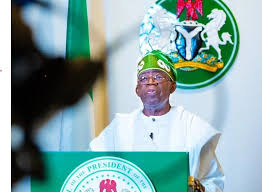
In a significant policy shift for Nigeria’s power sector, the federal government will no longer exclusively finance electricity subsidies starting in 2026. This change, announced by Tanimu Yakubu, Director-General of the Budget Office of the Federation, on February 2, 2026, in Abuja during a workshop on the 2026 federal budget preparation, follows a directive from President Bola Tinubu.
The new framework establishes a transparent mechanism for sharing subsidy costs across federal, state, and local governments. Previously, the federal government shouldered the entire burden when tariffs were kept below cost-reflective levels. Under the revised approach, each tier of government will fund the portion of subsidies arising from its own policy decisions on tariffs, in line with existing electricity sector laws.
No immediate legislative changes are required, but ministries, departments, and agencies must now explicitly include subsidy-related costs in their 2026 budget submissions to ensure accountability and prevent hidden liabilities.
This reform builds on Nigeria’s ongoing efforts since 2023 to reduce subsidies through tariff adjustments, aiming to ease the fiscal strain on the federal budget. Despite progress, subsidies remain substantial—federal spending reached approximately $350 million in Q1 2025 alone, covering a significant share of wholesale market invoices, according to the Nigerian Electricity Regulatory Commission (NERC).
The government is also addressing sector debts, including arrears to power producers, while long-term estimates indicate $34 billion is needed to achieve universal electricity access. By distributing the subsidy burden more equitably, the policy seeks to promote fiscal sustainability, encourage efficiency in the power sector, and better target support for vulnerable consumers.

