
Libya’s Energy Revival: A Catalyst for Africa’s Energy Future
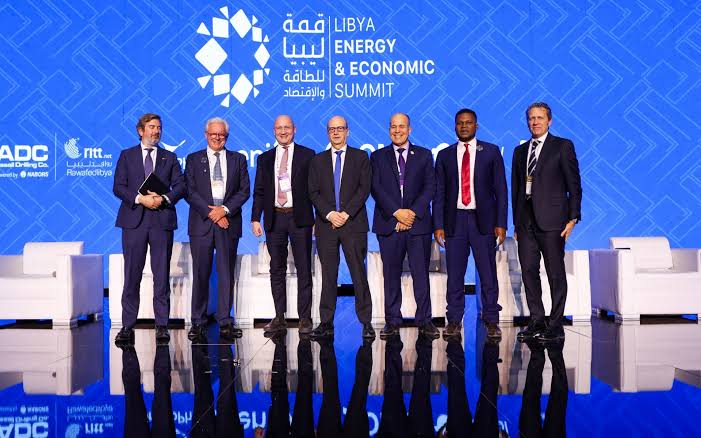
The African Energy Chamber (AEC) hails Libya’s robust resurgence in the energy sector as a defining moment for the continent. At the Libya Energy & Economic Summit (LEES) 2026 held in Tripoli, Libyan authorities demonstrated strong political commitment to restoring oil and gas output, attracting investment, and fostering a stable, investor-friendly environment.
Libya’s oil production has reached impressive levels, averaging around 1.375 million barrels per day—among the strongest performances in over a decade. Backed by a $20 billion investment program, the country aims to further boost capacity through enhanced operational stability, international collaborations, and sustained growth. These revenues are vital for funding national infrastructure, public services, and long-term socio-economic progress.
A key focus is gas monetization, with production projected to climb to 700–750 million standard cubic feet per day. This expansion will drive domestic power generation, alleviate energy shortages, support industrial expansion, and promote cleaner energy use by displacing higher-emission fuels—enhancing affordability and reliability for households and businesses alike.
Libya’s recovery extends beyond national borders, offering a model for regional and pan-African collaboration. LEES 2026 emphasized cross-border partnerships, knowledge sharing, and integrated investments to bolster energy security, build regional value chains, and advance industrial growth and workforce skills across North Africa and the continent.
NJ Ayuk, Executive Chairman of the AEC, stated at the summit: “Libya is showing that African nations can deliver energy projects at scale when stability, political will, and investor-friendly frameworks align. By prioritizing energy access, domestic power, and sustained investment, Libya is building the foundation for inclusive and sustainable growth.”
The AEC applauds Libya’s emphasis on operational efficiency, zero-flaring efforts, and workforce development—critical for maintaining production momentum while maximizing local value, job creation, technology transfer, and skills enhancement.
As Libya advances its energy reforms, the AEC reaffirms its support for policies that drive investment, improve energy access, and champion African-led development. Libya’s progress underscores a core principle: Africa’s energy future will be forged through pragmatism, strategic partnerships, and decisive delivery.

