
Nigeria’s Plan to Expand Electricity Exports Sparks Debate
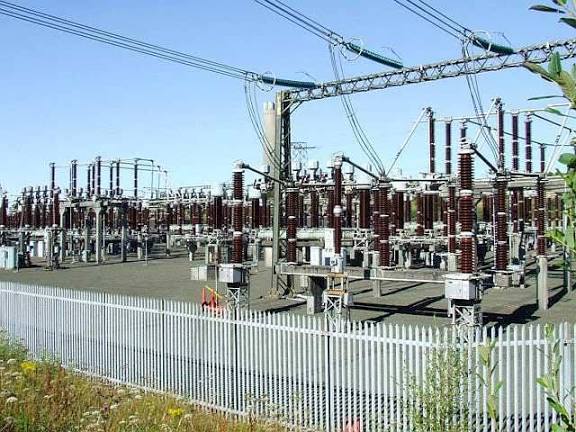
Federal Government of Nigeria’s recent proposal to broaden electricity exports to additional neighbouring countries through the West African Power Pool (WAPP). This initiative, aimed at boosting regional energy integration, has reignited a longstanding national debate: whether Nigeria should prioritise exporting power amid persistent domestic supply challenges.
Nigeria currently supplies electricity to Benin, Togo, and Niger under existing WAPP agreements. The CEB–NEPA interconnection project, operational since 2007, facilitates supply to Benin (which extends to Togo), while exports to Niger commenced in 2011. In early 2025, combined export revenues from Benin and Niger reached approximately $112 million, underscoring the economic potential of this trade.
Proponents highlight multiple benefits. Electricity exports generate vital foreign exchange, reduce reliance on oil revenues, and improve liquidity for Nigeria’s beleaguered power generation and transmission entities. Beyond economics, expansion would reinforce Nigeria’s leadership in West Africa, enhance geopolitical influence, promote regional stability, and position the country as the sub-region’s primary energy hub. It could also draw private investment into generation capacity—particularly gas-fired and renewable projects—creating jobs and building technical expertise.
Recent developments align with this vision. The government has synchronised with the WAPP to enable exports to up to 14 or 15 West African countries, with projections estimating up to $1 billion in annual revenue by mid-2026. Officials emphasise that domestic demand remains low in certain areas, allowing surplus capacity to be monetised without compromising local supply, while higher regional tariffs present a lucrative opportunity.
However, critics argue that prioritising exports is premature and insensitive given Nigeria’s chronic power shortages. Installed generation capacity stands at 13,000–13,600 MW, though actual output is often cited by industry observers as closer to 4,000–5,000 MW due to inefficiencies, frequent grid collapses, transmission losses, and load shedding. Millions of citizens and businesses endure unreliable or nonexistent supply, relying on costly generators that inflate living and production costs, exacerbating inflation.
Concerns centre on the risk that exports could worsen domestic shortages, justify tariff hikes, or effectively subsidise foreign consumers while Nigerians face higher costs for inferior service. Accountability remains a key issue: beneficiary countries have accumulated significant debts. According to the Nigerian Electricity Regulatory Commission (NERC) Q3 2025 report, Benin, Togo, and Niger owed Nigeria approximately $17.8 million (equivalent to about N25 billion), having paid only $7.125 million against $18.69 million invoiced in the period. Legacy debts and opaque transaction data further complicate revenue realisation.
As Nigeria pursues its ambition to become a regional energy powerhouse, the government faces the critical task of balancing export-driven revenue and diplomatic gains with urgent domestic electrification needs. Sustainable expansion will require addressing grid reliability, reducing losses, enforcing payment obligations, and ensuring transparency to build public trust and deliver equitable benefits for all stakeholders.

