
Africa Energy Surge: Nigeria’s $3.6bn Investment Wave Sparks Continental Debate on Policy Speed and Execution
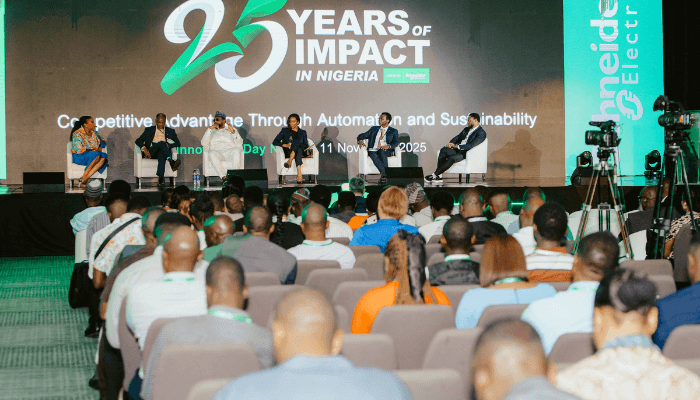
Across the continent, eyes are on Nigeria as fresh reforms and a $3.6 billion wave of new investment commitments breathe life into one of Africa’s most chronically under-powered energy sectors. At a high-level forum in Lagos hosted by Schneider Electric and BusinessDay, policymakers, investors and industry chiefs delivered a clear message: the policy foundations are finally falling into place, yet the real battle for reliable, inclusive energy across Africa’s largest economy now hinges on swift and effective implementation.
Key milestones celebrated include the gazetting of the National Energy Policy and Master Plan in 2023, giving legal teeth to frameworks that previously scared investors away, and the Electricity Act 2023 that hands states unprecedented power to build and regulate their own electricity markets. Officials say these moves have directly unlocked major deals, including Chinese giant Energy China’s pledge to deploy at least 100 MW of solar in every Nigerian state.
Yet the continent-wide resonance is unmistakable. With roughly 80 million Nigerians still off-grid (second only to DRC globally), the country’s struggle mirrors energy access crises from Senegal to Kenya. Speakers highlighted how Nigeria’s emerging models — results-based financing, cost-reflective mini-grid tariffs, blended public-private finance — are already being replicated in Zambia, Madagascar, Benin, Sierra Leone and Congo.
“Rural and last-mile electrification rarely pays for itself purely on commercial terms,” noted Anita Otubu of Sustainable Energy for All (SEforALL), pointing to the $750 million Distributed Access programme and lessons from the World Bank-backed Nigeria Electrification Project that connected five million people.
Gas, Africa’s abundant transition fuel, also dominated discussions. Indigenous players like Aradel Holdings and global operators such as Nigeria LNG emphasised that gas monetisation, decarbonisation and local content will determine whether resource-rich African nations industrialise sustainably or get left behind in the global rush to net-zero.
While Nigeria races toward President Tinubu’s 2030 target of 30 GW grid capacity and universal access, speakers repeatedly warned that frameworks alone are not enough. States must build technical and financial muscle, distribution companies need seats at the renewable table, and subsidies must eventually give way to viable business models.
For the wider African audience watching West Africa’s giant, the Lagos conversations carried a broader lesson: policy clarity and big-ticket investments can reopen doors long shut to private capital, but only relentless execution turns promises into power that reaches homes, clinics and factories from Lagos to Lusaka.
As one industry leader put it: “The paper is finally in order. Now Africa waits to see if Nigeria can deliver the current.”

