
Nigeria Pledges Stronger Backing for Local Vehicle Assembly and EV Infrastructure
The Nigerian Government has reaffirmed its determination to transform Nigeria into sub-Saharan Africa’s automotive hub by intensifying support for local vehicle assemblers and fast-tracking the rollout of electric vehicle (EV) infrastructure.
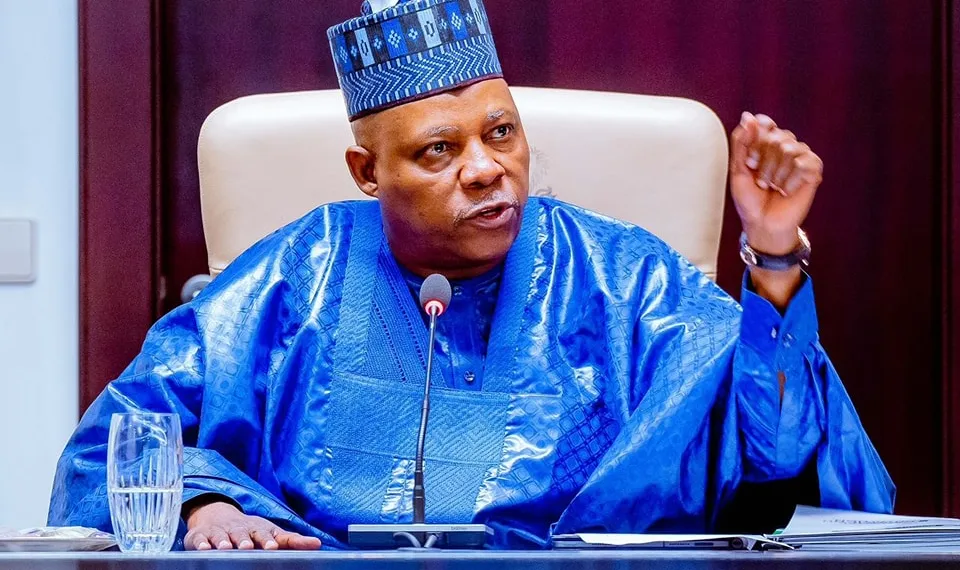
Speaking at the opening of the 25th Abuja International Motor Fair on Tuesday, Vice President Kashim Shettima (represented by Minister of Innovation, Science and Technology, Kingsley Tochukwu Udeh) said the event’s quarter-century milestone reflects the sector’s resilience amid persistent economic challenges. He noted that the fair’s theme — “Driving Nigeria’s Automotive Future: Innovation, Sustainability, and Growth” — mirrors the administration’s Renewed Hope Agenda.
Shettima outlined a three-pillar strategy of “Gas, Green, and Growth,” anchored on the transition to Compressed Natural Gas (CNG) and new-energy vehicles, including EVs. Key initiatives include:
N20 billion in financing through CreditCorp to facilitate purchases of locally assembled vehicles, with calls for single-digit interest loans tailored for Nigerian-made cars.
Continued enforcement of the “Nigeria First Policy” mandating public and private institutions to prioritise locally produced vehicles in procurement.
Accelerated nationwide deployment of EV charging infrastructure, with solar-powered stations already installed at selected universities.
The Vice President emphasised that affordable vehicle financing is critical to stimulating demand, creating jobs, and sustaining a virtuous economic cycle.
Oluwemimo Joseph Osanipin, Director-General of the National Automotive Design and Development Council (NADDC), reported that approximately 30 active assemblers have invested nearly $1 billion in the sector. NADDC has trained over 30,000 technicians, established specialised testing centres in Zaria and Enugu, and is collaborating with young innovators on locally designed vehicles incorporating Nigerian components.
Organiser Ifeanyichukwu Agwu of BKG Exhibitions urged authorities to urgently establish a robust national vehicle-financing scheme, warning that without affordable access to mobility, economic progress will remain constrained. He projected that sustained government support could cut unemployment by 25%, boost GDP by 18%, and attract 21% more foreign direct investment.
The government maintains that coordinated policy measures, targeted financing, and infrastructure investment will position Nigeria as West Africa’s leading centre for both CNG and electric mobility.

